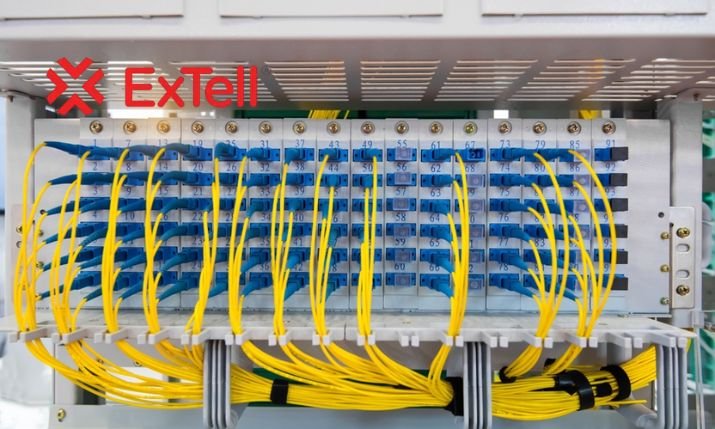
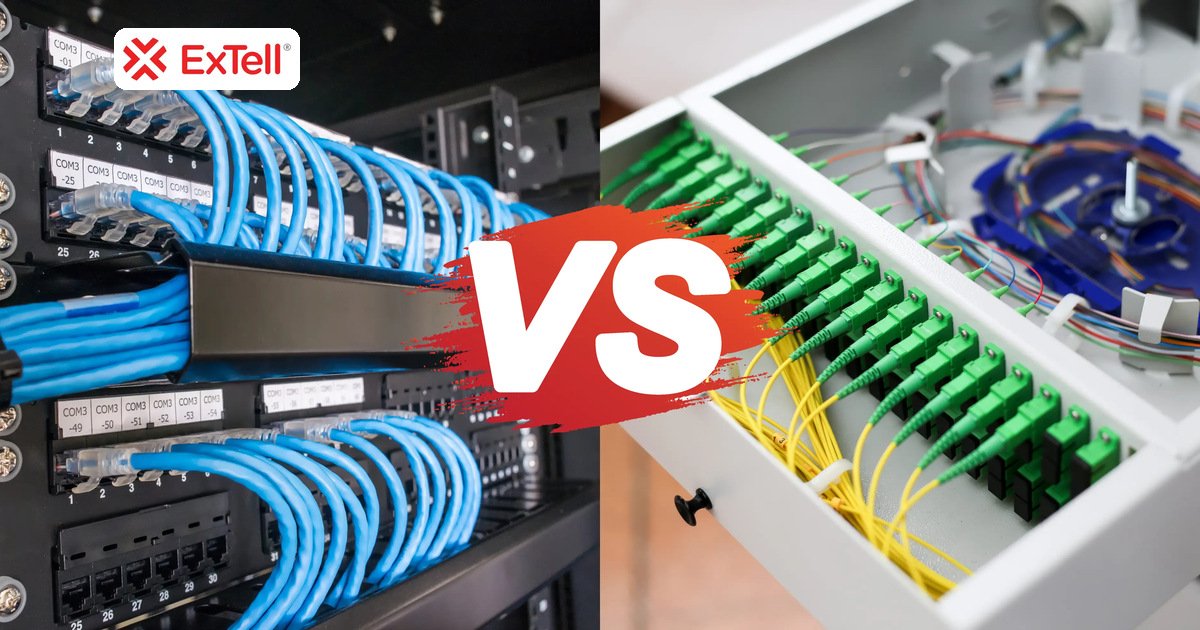
Fiber Distribution Frame (FDF) vs Fiber Patch Panel: Key Differences and Applications
Fiber optic networks are essential for modern communication systems, data centers, telecom infrastructure and enterprise networks. As fiber connections increase, businesses need reliable equipment to organize, protect and manage optical cables.
Two commonly used components in fiber infrastructure are the Fiber Distribution Frame (FDF) and the fiber patch panel. Both help organize fiber connections, but they can differ in size, capacity, cable management features and applications.
So, what is the difference between an FDF and a fiber patch panel?
An FDF generally provides a broader arrangement for fiber termination, splicing, routing and cross-connection. A fiber patch panel is typically a compact unit that provides organized ports for connecting and managing fiber optic cables. However, product terminology can overlap, as some rack-mounted FDF units also function as fiber patch panels.
Understanding their features helps businesses choose the right solution for their network requirements.
What Is a Fiber Distribution Frame (FDF)?
A Fiber Distribution Frame is an infrastructure arrangement used to terminate, organize, protect and distribute fiber optic cables.
It provides a central point where incoming fiber cables can be connected to outgoing fibers or network equipment through organized patching arrangements.
Depending on its design, an FDF may include:
- Fiber termination panels
- Splice trays and splice protection holders
- Adapter plates and connector ports
- Cable entry and routing arrangements
- Fiber slack storage
- Cable identification and management facilities
FDF systems are commonly used in telecom facilities, central offices, data centers and large enterprise networks where multiple fiber cables need organized management.
An FDF can support both fiber splicing and patching, making it useful for installations that require centralized fiber distribution.
What Is a Fiber Patch Panel?
A fiber patch panel is a compact enclosure or rack-mounted unit designed to organize fiber optic connections.
It provides a structured interface where incoming fiber cables connect to network equipment through fiber patch cords.
Instead of allowing multiple cables to connect directly to switches or other devices, a patch panel keeps connections organized and easier to identify.
Common features include:
- Front-facing fiber adapter ports
- LC, SC, ST or other compatible connector options
- Rack-mounted or wall-mounted designs
- Cable entry and management arrangements
- Dust protection for unused ports
- Optional splice trays in supported models
Fiber patch panels are commonly installed in server rooms, network cabinets, telecom rooms and data center racks.
They help technicians manage fiber connections and make it easier to add, remove or change network links.
FDF vs Fiber Patch Panel: Key Differences
Although both components manage fiber optic connections, their typical roles and capabilities are different.
| Comparison | Fiber Distribution Frame (FDF) | Fiber Patch Panel |
|---|---|---|
| Main purpose | Centralized fiber distribution and management | Organized fiber termination and patching |
| Design | Can be a larger frame or modular arrangement | Usually a compact enclosure or panel |
| Capacity | Designed to support medium to high fiber counts, depending on configuration | Depends on panel size and port density |
| Splicing | Commonly supports dedicated splice management | Available only in models with splice facilities |
| Cable management | Often includes structured routing and slack storage | Usually provides simpler cable organization |
| Installation | Rack-mounted, wall-mounted or floor-standing | Rack-mounted or wall-mounted |
| Typical location | Telecom facilities, central offices and data centers | Network racks, server rooms and equipment cabinets |
| Best suited for | Centralized and scalable fiber distribution | Localized fiber connections and patching |
The exact differences depend on the product design. Some modern modular fiber enclosures combine FDF and patch panel functions in one unit.
1. Difference in Design and Structure
One of the main differences between an FDF and a fiber patch panel is their physical design.
An FDF may consist of a larger frame or modular enclosure with dedicated sections for cable entry, fiber splicing, adapter connections and cable routing.
This arrangement helps manage multiple incoming and outgoing fiber cables in one location.
A fiber patch panel is generally more compact. It usually contains adapter ports arranged on a front panel, with fiber cables entering from the rear or another designated cable entry point.
For smaller installations, a patch panel can provide sufficient organization without requiring a larger distribution arrangement.
2. Difference in Fiber Splicing and Cable Management
Fiber splicing joins two optical fibers to create a continuous connection. It is commonly used when incoming fiber cables need to be connected to pigtails with compatible connectors.
FDF systems often provide dedicated splice trays, protective holders and fiber routing channels. These features help technicians organize and protect spliced fibers.
Traditional fiber patch panels mainly provide connector-based termination and patching. However, some advanced models include integrated splice trays and additional fiber storage.
When selecting equipment, businesses should check whether the installation requires fusion splicing, pre-terminated cables or direct connector termination.
Proper cable management is also important. Fiber cables should be routed without excessive bending, pulling or pressure because physical stress can affect optical performance.
3. Difference in Capacity and Scalability
Fiber capacity is another important selection factor.
An FDF arrangement is generally preferred when a network needs to manage a larger number of fiber connections or requires room for future expansion.
Its modular design can allow additional termination or distribution modules to be installed, depending on the system.
Fiber patch panels are available in different sizes and port configurations. They are suitable for smaller or more localized network connections.
However, multiple patch panels can also be installed in larger racks to support higher fiber counts.
Businesses should select capacity based on the number of existing fibers, expected network growth, available rack space and maintenance requirements rather than relying only on the product name.
4. Common Applications of FDF and Fiber Patch Panels
Both solutions are used across different types of fiber optic networks.
Fiber Distribution Frame applications:
- Telecom central offices
- Internet service provider infrastructure
- Large data centers
- Fiber backbone distribution
- Campus network distribution
- High-density fiber aggregation
Fiber patch panel applications:
- Server rooms
- Enterprise network cabinets
- Office communication rooms
- Local area networks (LAN)
- Data center racks
- Equipment-to-backbone fiber connections
The right choice depends on the network architecture and the level of fiber management required.
5. How to Choose Between an FDF and a Fiber Patch Panel
Before purchasing fiber management equipment, businesses should evaluate their network requirements.
Consider the following factors:
1. Fiber count: Estimate the number of fibers that need termination today and in the future.
2. Splicing requirements: Choose an arrangement with suitable splice trays if incoming cables need fusion splicing.
3. Connector compatibility: Check whether the network uses LC, SC, ST or another connector type.
4. Installation space: Consider available rack units, cabinet dimensions and cable entry arrangements.
5. Cable protection: Look for suitable bend-radius control, strain relief and protection from dust or physical damage.
6. Maintenance access: Choose a design that allows technicians to identify, test and replace connections without disturbing other fibers.
7. Future expansion: Consider modular designs if the network is expected to grow.
A properly selected fiber management solution helps improve organization, simplify troubleshooting and support long-term network maintenance.
How ExTell Systems Supports Fiber Infrastructure Requirements
Reliable fiber connectivity depends on suitable cables, accessories and structured cabling components.
ExTell Systems provides ICT infrastructure solutions for telecom networks, data centers and enterprise applications. Its product categories include fiber cables, fiber accessories, networking products and structured cabling solutions.
Businesses planning a new fiber deployment or upgrading an existing network can explore ExTell’s product range to identify suitable infrastructure options.
Explore ExTell Systems Fiber Cables and Fiber Accessories for more information about its fiber infrastructure portfolio.
Frequently Asked Questions
1. What is the main difference between an FDF and a fiber patch panel?
An FDF generally provides a broader arrangement for fiber termination, splicing, routing and distribution. A fiber patch panel is usually a compact unit that organizes fiber ports and supports connections through patch cords. Some products combine both functions.
2. Is a Fiber Distribution Frame the same as an Optical Distribution Frame?
The terms Fiber Distribution Frame (FDF) and Optical Distribution Frame (ODF) are often used for similar fiber management systems. Both can provide fiber termination, splicing, protection and cross-connection, although naming and design vary between manufacturers.
3. Can a fiber patch panel support fiber splicing?
Yes. Some fiber patch panels include integrated splice trays and pigtail management. However, basic patch panels may only provide adapter ports for pre-terminated fiber connections. Always check the product specifications.
4. Which is better for a data center: FDF or fiber patch panel?
The choice depends on fiber density and network design. An FDF-style arrangement may be suitable for centralized, high-capacity fiber distribution, while patch panels work well for localized rack-level connections. Large data centers may use both.
5. Which connector types are commonly used in fiber patch panels?
Common connector types include LC, SC and ST. The correct connector depends on the fiber equipment, cable assembly and network design. Connector type and polish, such as UPC or APC, should be compatible across the connection.
Conclusion
Both Fiber Distribution Frames and fiber patch panels play important roles in organizing and managing fiber optic networks.
An FDF is generally suitable for centralized fiber distribution, larger installations and configurations that require integrated splicing and cable management. A fiber patch panel is a practical option for organized fiber termination and localized patching inside network racks or cabinets.
However, the terminology and features can overlap across manufacturers. The best choice depends on fiber capacity, splicing requirements, connector compatibility, installation space and future expansion plans.
Planning a fiber optic network or upgrading your existing structured cabling infrastructure?
Explore ExTell Systems’ fiber cables and accessories to find suitable solutions for your project. Contact the team to discuss your fiber connectivity and infrastructure requirements.
Website: https://extellsystems.com/
Contact: https://extellsystems.com/contact
Sales email: sales@jaygenesisvirtue.com