Fiber Accessories Guide: Patch Cords, Pigtails, Connectors and Adapters
Fiber optic networks rely on more than fiber cables alone. To connect switches, routers, patch panels, optical distribution frames, and other networking equipment, you need the right fiber optic accessories. Patch cords, pigtails, connectors, and adapters each serve a different purpose in building a reliable, high-performance network.
Choosing the wrong component can lead to connection problems, signal loss, compatibility issues, and extra maintenance work. Understanding the differences helps network engineers, IT teams, installers, and project managers select suitable components for their applications.
In this guide, we explain what fiber optic accessories are, how they work, the differences between common types, and what to consider before buying them.
What Are Fiber Optic Accessories?
Fiber optic accessories are components used to connect, terminate, organize, and maintain fiber optic cables. They help establish optical connections between network devices and support reliable signal transmission.
Common fiber optic accessories include:
- Fiber optic patch cords
- Fiber optic pigtails
- Fiber optic connectors
- Fiber optic adapters or couplers
- Patch panels and fiber distribution units
- Splice trays and protective sleeves
Each component has a specific role. Selecting compatible accessories is important for telecommunications, enterprise networks, data centers, broadband infrastructure, and industrial communication systems.
What Is a Fiber Optic Patch Cord?
A fiber optic patch cord is a short fiber cable with connectors fitted at both ends. It connects two optical interfaces, such as a patch panel and a network switch, or equipment ports within a rack.
Patch cords are commonly used in data centers, server rooms, telecommunications cabinets, and enterprise networks.
Common Types of Fiber Patch Cords
Single-mode patch cords: Designed for single-mode fiber systems, which are commonly used for longer-distance links and telecommunications applications.
Multimode patch cords: Used with multimode fiber systems, often found in certain building networks and data center connections.
Simplex patch cords: Contain one fiber for a single optical path.
Duplex patch cords: Contain two fibers and are commonly used for transmit-and-receive connections.
Patch cords also vary by connector combination, cable length, jacket material, and end-face polish. Always match these specifications to the equipment and installed fiber system.
What Is a Fiber Optic Pigtail?
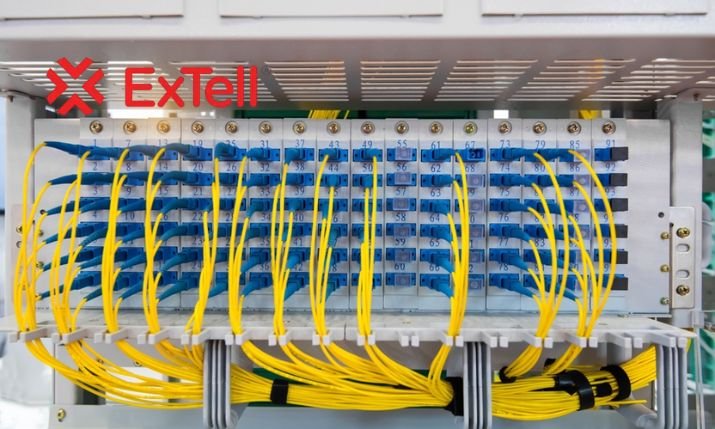
A fiber optic pigtail is a short fiber cable with a connector on one end and an unterminated fiber end on the other. The unterminated end is usually fusion-spliced to the fiber in the main cable.
Pigtails are commonly used inside fiber distribution panels, optical distribution frames (ODFs), termination boxes, and splice enclosures.
When Should You Use Fiber Pigtails?
Pigtails are useful when a permanent fiber cable needs to be terminated with a connectorized interface. Instead of fitting a connector directly onto every field-installed fiber, an installer can splice a pre-terminated pigtail to the cable fiber.
Common benefits include:
- Consistent factory-terminated connector interfaces
- Convenient integration with splice trays and patch panels
- Organized fiber termination
- Compatibility with single-mode or multimode systems when correctly specified
The quality of the splice and connector end face still matters. Installers should use suitable fusion-splicing equipment and test the completed link.
What Is a Fiber Optic Connector?
A fiber optic connector holds and aligns an optical fiber so light can pass between compatible interfaces. The connector’s design and end-face condition affect connection quality and signal loss.
Several connector types are used in fiber networks.
Common Fiber Connector Types
LC connector: A compact connector often used in high-density patch panels, switches, and data centers.
SC connector: A push-pull connector commonly found in telecommunications, broadband, and enterprise installations.
ST connector: A bayonet-style connector used in some legacy networks and specialized installations.
FC connector: A threaded connector that provides a secure connection in applications that specify this interface.
Connector selection depends on the equipment port, adapter type, fiber mode, and required performance. Two connectors that look similar are not necessarily compatible.
What Do UPC and APC Mean?
UPC and APC describe different fiber connector end-face polishing methods.
- UPC (Ultra Physical Contact): Uses a polished end face designed to reduce back reflection.
- APC (Angled Physical Contact): Uses an angled end face to further reduce back reflection in suitable applications.
APC and UPC connectors should not be mated directly to each other. Use matching connector polish types and follow equipment specifications, particularly in applications sensitive to reflected optical power.
What Is a Fiber Optic Adapter?
A fiber optic adapter, also called a coupler in many contexts, aligns and joins two compatible fiber optic connectors. It is commonly installed in patch panels, wall outlets, and distribution frames.
Adapters help create a removable connection between patch cords or between a patch cord and a connectorized pigtail.
Common adapter configurations include LC, SC, ST, and FC, with simplex or duplex versions depending on the connection design.
How to Choose the Right Fiber Adapter
Before selecting an adapter, check:
- Connector type: Both connected interfaces must be compatible with the adapter.
- Polish type: Confirm APC or UPC compatibility.
- Fiber mode: Match the adapter and connected components to the single-mode or multimode system.
- Port configuration: Select simplex, duplex, or another required format.
- Installation requirements: Consider panel fit, mounting style, and environmental conditions.
Using the correct adapter helps maintain alignment and reduce avoidable connection loss.
Fiber Patch Cord vs Pigtail vs Connector vs Adapter
Although these components work together, they are not interchangeable.
| Component | Main Purpose | Typical Application |
|---|---|---|
| Patch cord | Connects two optical interfaces | Switch-to-panel connections |
| Pigtail | Provides a connectorized end for a spliced fiber | Cable termination in ODFs |
| Connector | Terminates and aligns an optical fiber | Equipment and cable interfaces |
| Adapter | Aligns and joins two compatible connectors | Patch panels and distribution frames |
For example, an incoming fiber cable may be fusion-spliced to pigtails inside an ODF. Adapters mounted on the panel accept the pigtail connectors, while patch cords connect the panel to network equipment.
How to Choose the Right Fiber Optic Accessories
The right components depend on your network design, equipment, and installation environment.
1. Confirm fiber type. Identify whether the network uses single-mode or multimode fiber and match every component accordingly.
2. Check connector compatibility. Verify the connector type and polish at both ends. Do not rely on appearance alone.
3. Select the correct length. Choose patch cords long enough for clean routing but avoid unnecessary excess that can create cable-management problems.
4. Review optical performance. Check insertion loss, return loss where relevant, and test documentation against project requirements.
5. Consider the environment. Choose suitable cable jackets and components for indoor racks, industrial areas, or outdoor enclosures.
6. Maintain cleanliness. Dust and contamination on connector end faces can cause signal loss or damage. Inspect and clean connectors using approved tools before mating them.
7. Plan for future growth. Consider port density, spare fibers, labeling, and cable management to make later upgrades easier.
How ExTell Systems Can Support Your Fiber Network
ExTell Systems provides fiber optic cable solutions for enterprise and industrial network infrastructure. When planning a fiber deployment, it is important to match the cable system and connection components to the required fiber type, capacity, installation environment, and equipment interfaces.
Explore the ExTell Systems fiber cable range to learn more about fiber infrastructure options. For project-specific requirements, contact the team through the ExTell Systems contact page.
Before ordering patch cords, pigtails, connectors, or adapters, prepare a list of connector types, fiber modes, polish requirements, lengths, and quantities. Confirm the available accessories and specifications with your supplier so all components work together as intended.
Frequently Asked Questions
1. What is the difference between a fiber patch cord and a pigtail?
A patch cord has connectors at both ends and connects two optical interfaces. A pigtail has a connector at one end and an unterminated fiber at the other, which is usually fusion-spliced to a cable.
2. What are fiber optic adapters used for?
Fiber optic adapters align and join two compatible connectors. They are commonly installed in patch panels, ODFs, and fiber termination boxes.
3. Which fiber connector is better: LC or SC?
Neither is always better. LC connectors are compact and useful in high-density installations, while SC connectors are common in many telecommunications and broadband systems. Choose the connector supported by your equipment and network design.
4. Can APC and UPC fiber connectors be connected together?
APC and UPC connectors should not be directly mated. Their end-face designs differ, which can cause poor optical performance or damage. Use matching polish types.
5. How do I reduce signal loss in fiber optic connections?
Use compatible, good-quality components, keep connector end faces clean, avoid excessive bending, follow installation guidelines, and test the completed link with appropriate equipment.
Explore More from ExTell Systems
https://extellsystems.com/contact
https://extellsystems.com/about
Sales mail :- sales@jaygenesisvirtue.com
Build Reliable Connections With the Right Fiber Accessories
Patch cords, pigtails, connectors, and adapters each play an important role in fiber network performance. Choosing compatible components and following correct installation and cleaning practices can help reduce connection issues and simplify maintenance.
Planning a new fiber network or upgrading an existing installation? Visit ExTell Systems and contact the team to discuss your infrastructure requirements and identify suitable solutions for your project.